
Good sower > good soil
One sower, four soils, and an abundant harvest that often looks nothing like what we expect
Greetings,
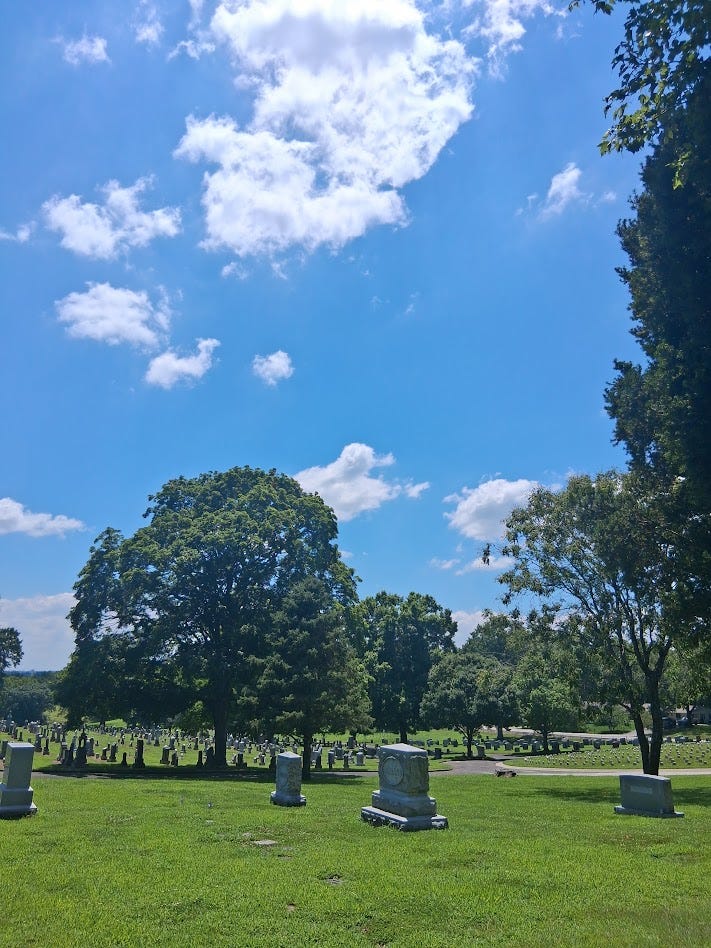
I’ll get right to it: The last couple of weeks have had more than their share of deaths and funerals. I feel especially purposeful and connected to my vocation in days like these. It is also true they take their toll emotionally and physically. I’m wiped out, and I’ve promised my daughter I would dye her hair pink tonight, so I’m going to share my homily from yesterday on the parable of the sower instead of write something fresh.
I give thanks for the people who have died recently who remain in God’s loving care even in death. I give thanks for the witness of their lives and their commitment to being good sowers. May they rest in peace and rise in glory.
Back next week,
Janette
Matthew 13:1-9
Jesus went out of the house and sat beside the sea. Such great crowds gathered around him that he got into a boat and sat there, while the whole crowd stood on the beach. And he told them many things in parables, saying: “Listen! A sower went out to sow. And as he sowed, some seeds fell on the path, and the birds came and ate them up. Other seeds fell on rocky ground, where they did not have much soil, and they sprang up quickly, since they had no depth of soil. But when the sun rose, they were scorched; and since they had no root, they withered away. Other seeds fell among thorns, and the thorns grew up and choked them. Other seeds fell on good soil and brought forth grain, some a hundredfold, some sixty, some thirty. Let anyone with ears listen!”
Jesus begins telling this parable the way he so often does. He’s surrounded by enough people curious about who he is that he goes out into a boat to speak so everyone can see and hear him. As the crowd hushes in anticipation, Jesus begins to tell them a story, telling them first to listen.
He tells them a parable about a sower, about four types of soil, and about miraculous yields.
I remember this parable being taught to me as if the lesson within it was about responsibility and prudence. We are the sowers, and we must sow responsibly if we want to reap a good harvest. Do not waste the seed on the wrong ground.
Another interpretation is that God is the sower, and God spreads God’s love to all people - all soils - but only some will receive it and grow.
While there is always room to wonder about the meaning of a parable, each of those interpretations are a bit limited and they risk turning these perplexing stories into moral fables. What deeper meaning might we wonder about in a way that helps us live into the mystery of God?
A number of years ago I taught myself to garden. I researched carefully what would grow in my zone, light and water requirements, spacing needs. I carefully planted each seed and left them in the greenhouse for weeks, nurturing them until they were ready to be potted up. I transferred them to larger pots for several more weeks until I planted them in the ground in rows I had measured with precision.
The following year, I saw a video online of a gardener who had a bulk bag of seeds. He dug his hand into the bag, grabbed as many seeds as he could hold, and he threw them out as far and wide as he could. He called it chaos gardening.
He assured his audience that we don’t need to fuss too much over our plants because, really, they just want to grow.
It seems to me like this parable’s sower is a chaos gardener. The sower knows his job is to spread the seed, not worrying himself over the quality of the soil. It’s tempting to moralize this story and make it a lesson about finding good soil. But the reality is Jesus told this story about a sower who sows indiscriminately in all kinds of ground.
The sower does not seem to have a strategy. He didn’t have a meeting with stakeholders about finding the best location, he didn’t test the soil or consider the best profit. He did the work that was his to do. His chaotic gardening makes me wonder about the nature of God’s generosity, and it helps me notice that everywhere is within the realm of God’s care and nurture.
No parable is meant to leave us comfortable. And this one would have caused discomfort for the people listening on the beach that day. Who is this reckless sower? Why would he waste seed on rocks, thorns, and paths? Doesn’t he know that bag of seeds is worth something?
At my house, we inherited garden beds mulched with river rock. Despite being placed over weed blocking fabric, weeds and grass are growing quite happily there, as much as I don’t want them to. The rocks which were placed to be a deterrent seem to have no effect whatsoever. I am frustrated instead of marveled by the greening power that brings forth life out of dry ground.
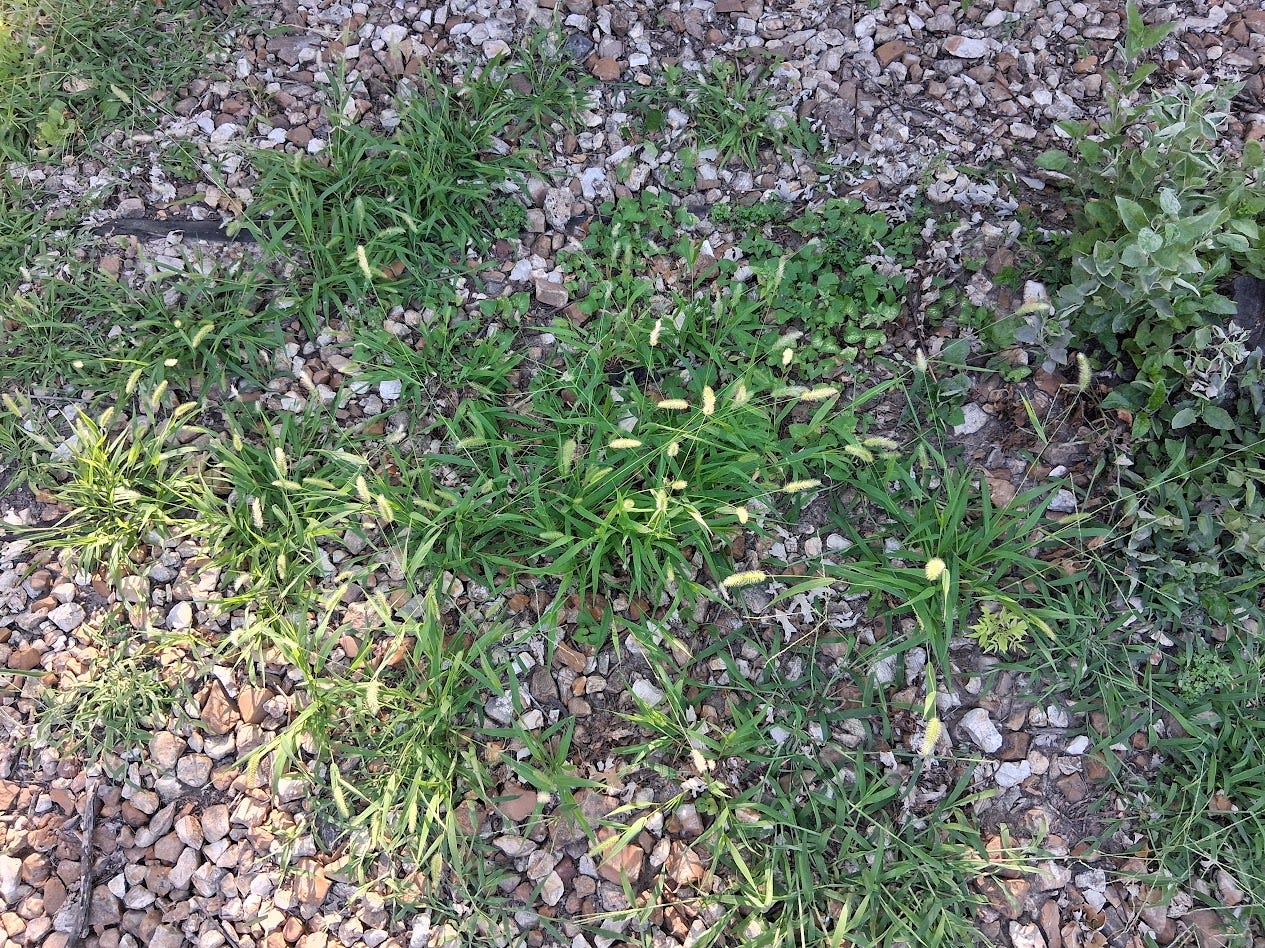
Sometimes growth happens in ways and places we would rather ignore. And if we’re really honest, sometimes growth happens where we think it doesn’t deserve to.
With some introspection, we can all probably identify times and places we withhold belief, participation, or ourselves from God’s abundance because we feel hopeless about our own circumstances or we think that those receiving God’s generosity are rocky, thorny, dry ground.
They…
…are ungrateful or “lazy”
…don’t look like us
…aren’t from here
…are too young or too old
…didn’t work for it
…need to get their life together
…lack understanding
…or will forget it.
Much like soil, people do not get to choose where they are planted, what life they are born into, what histories and conditions they inherit. But in the economy of God’s abundance, even seed that falls on what the world considers insufficient, on what we consider not worth the effort, or on our own rocky, thorny conditions, will yield something good. In the kingdom of heaven, a good sower is more important than our definition of good soil.
Maybe the seeds that fall on the path, the rocks, or the thorns hardly grow. But insects are fed by them. Birds carry them away and they get planted elsewhere. Their stored nutrients return to the soil. That’s something, isn’t it?
Thankfully our own gardening skills and the conditions of our lives are not prerequisites for God’s generosity and abundance. The same power that raised Christ from the dead lives in you and in all creation, without condition.
We can celebrate the harvest however it comes, remembering God’s economy is one of reckless abundance, not scarcity.
We can remain curious about the mystery of God’s chaotic gardening.
We can trust that God’s greening power – the same power that causes a seed to burst open – is within us too, and it just wants to grow.
I really like your take on this, of God’s abundance. From what I remember about learning about this parable, the interpretation I was taught had to do with preparing our hearts (the soil) to be good recipients of the sower’s seed. This definitely tracks with how we were raised I’m realizing as I type and process, needing to do all the right things / perform correctly on our side before we can receive God’s abundance. And also puts us in judgement of our peers, doesn’t it? If their lives don’t reflect blessings and growth, then something must be wrong with them! Hmmm good things to chew on.